Why Is AC Resistance Higher Than DC Resistance?
Skin effect, proximity effect and skin depth — why a winding's effective resistance rises with frequency, how copper losses are estimated, and stranded vs. hairpin windings.
Read article →Electric motor design case studies, FEMM simulation walkthroughs, and practical notes on windings, losses and efficiency — from the MotorDesignSoftware team.
Skin effect, proximity effect and skin depth — why a winding's effective resistance rises with frequency, how copper losses are estimated, and stranded vs. hairpin windings.
Read article →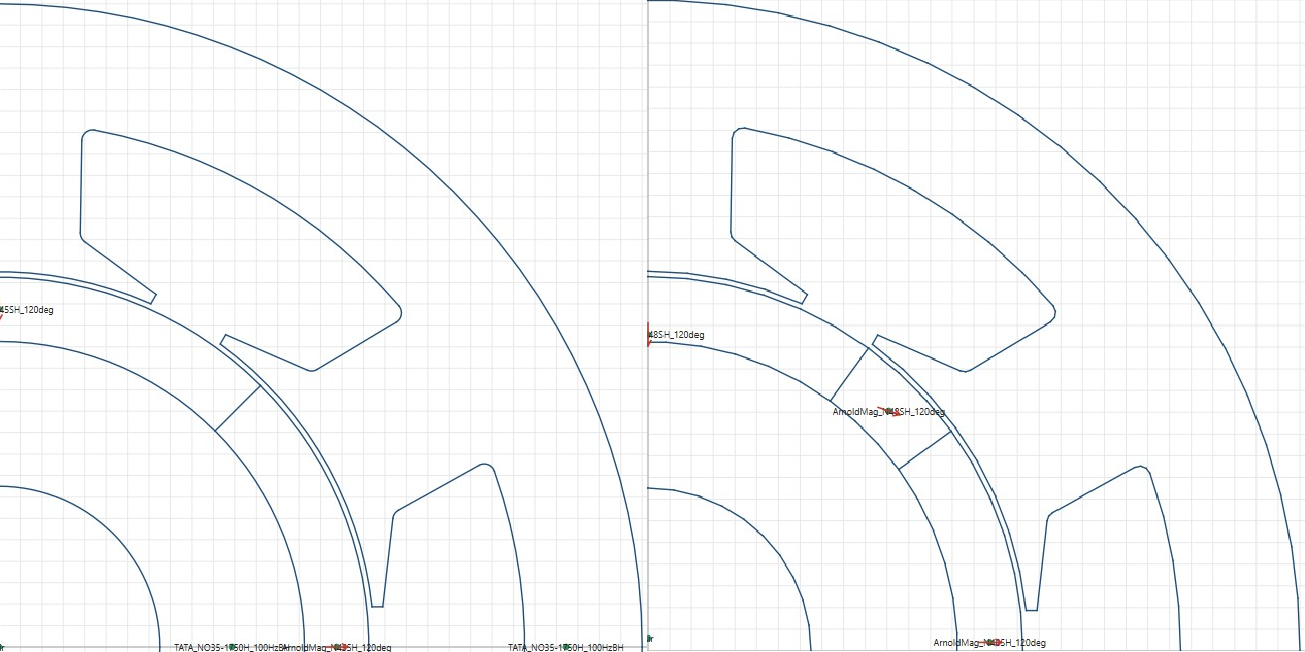
What does a Halbach array actually do in a motor? Conventional SPM vs. Halbach SPM compared with FEA — air-gap flux, rotor back iron, back EMF and torque.
Read article →
Where does motor noise come from? How air-gap field harmonics turn into electromagnetic forces, and how MotorDesignSoftware analyses the electromagnetic side of NVH.
Read article →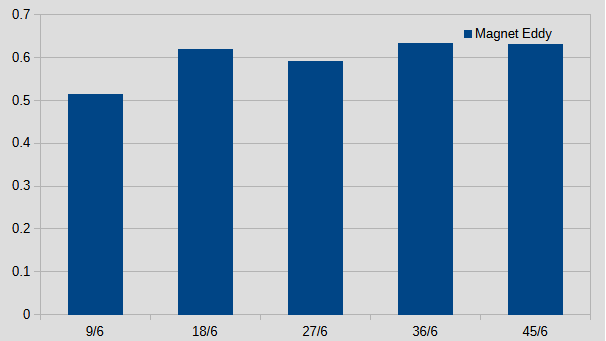
Magnet Eddy Current Losses — does motor topology matter? An SPM vs. IPM comparison, plus how the stator slot/pole choice changes magnet eddy current losses in a 6-pole SPM motor.
Read article →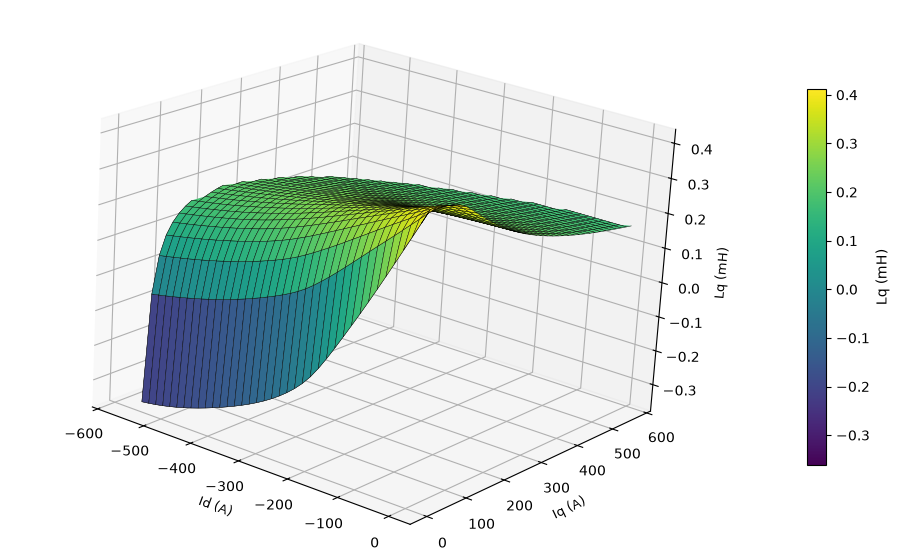
Beyond a single Ld/Lq: how flux look-up tables map inductance across the whole Id–Iq plane, why saturation makes them matter for MTPA and flux weakening, with 3D flux maps of a Chevy Bolt motor.
Read article →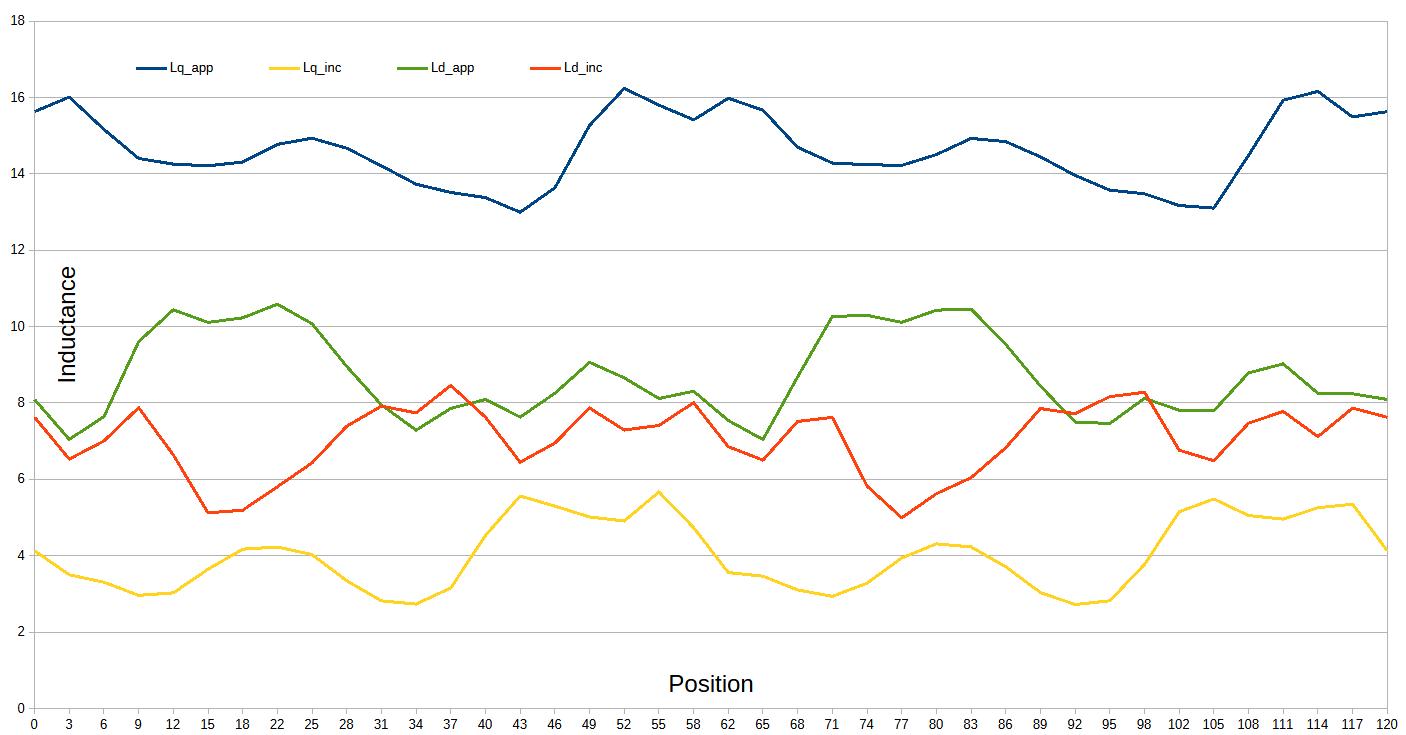
Motor inductance isn't constant. Apparent vs. incremental inductance explained, and why Ld and Lq change as a motor saturates — compared at 5 A and 50 A.
Read article →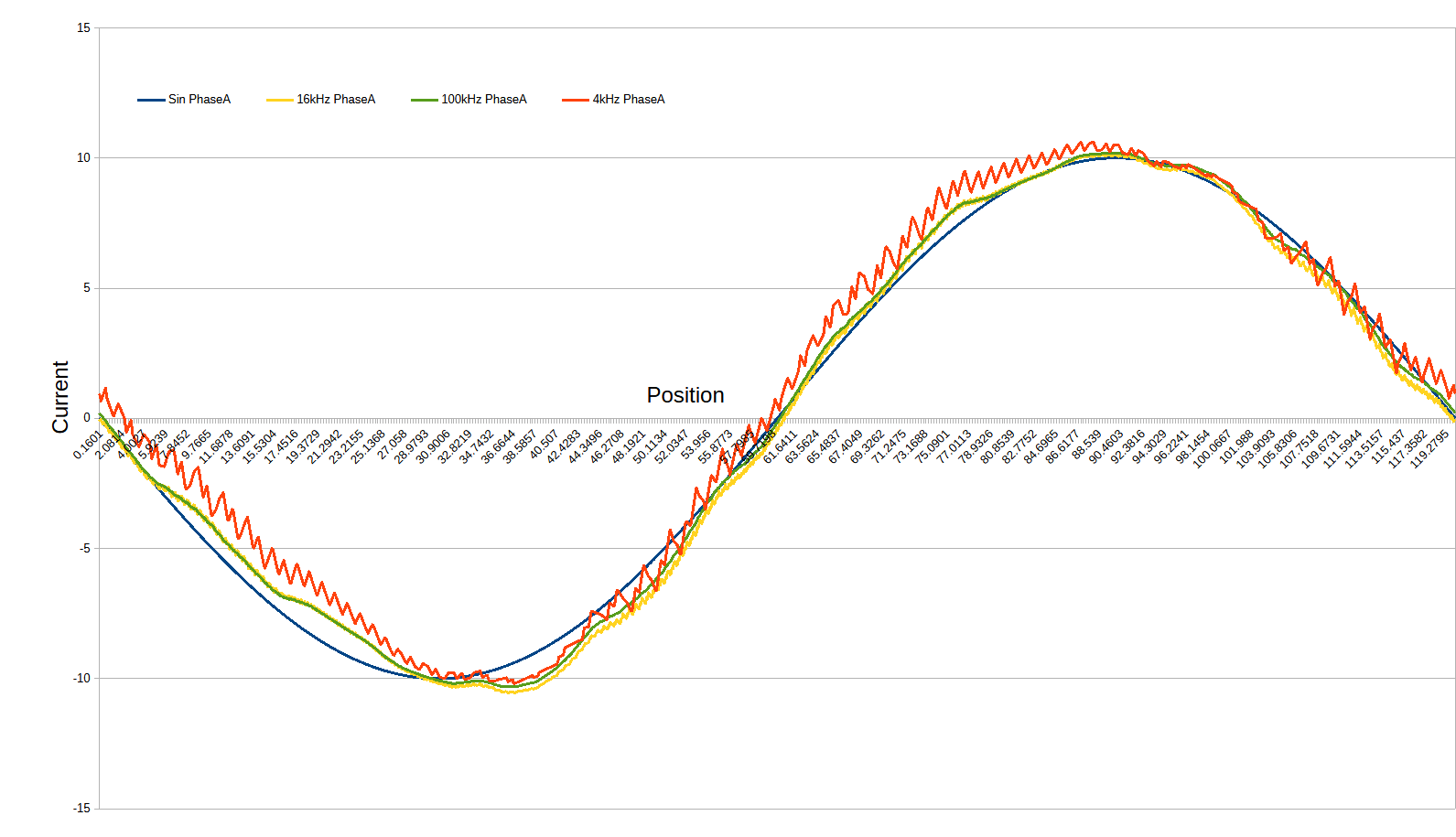
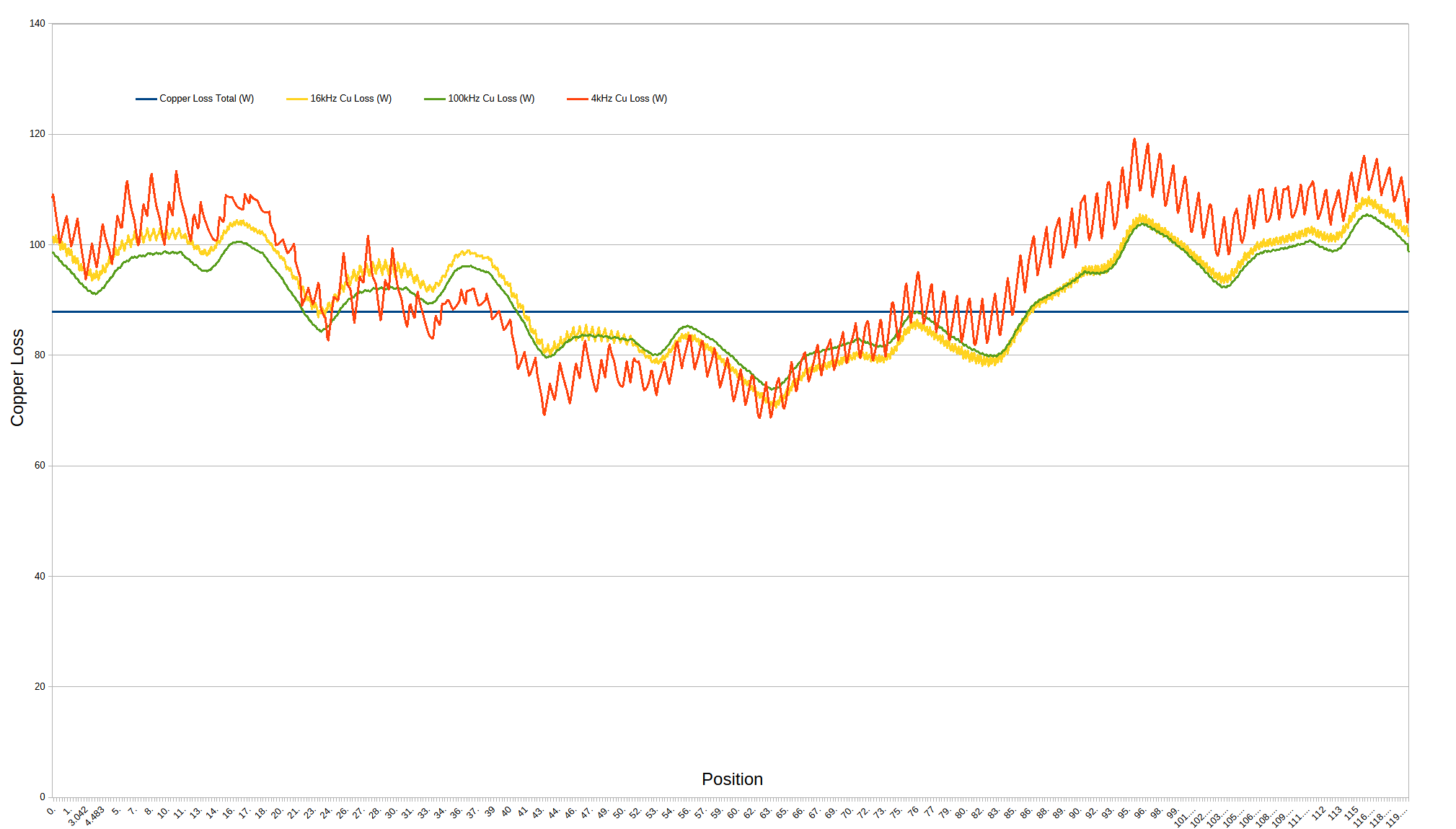
Ideal sinusoidal current vs. real PWM current at 4, 16 and 100 kHz — a FEMM simulation study of how the excitation waveform changes torque ripple, copper loss, core loss and efficiency.
Read article →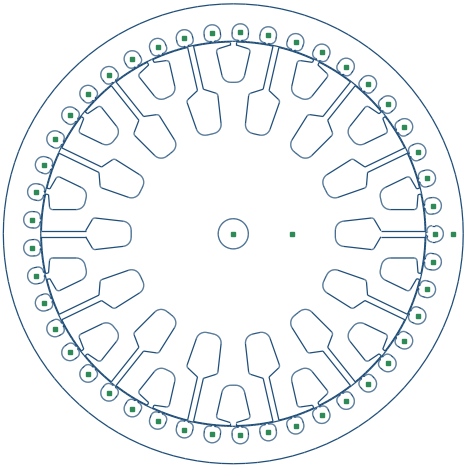
Why the main and auxiliary windings differ, what really drives ceiling-fan efficiency and star ratings, and a full FEMM simulation of flux, currents, torque, losses and power factor for a 14-pole, 52 W fan motor.
Read article →